
Logo
Get Estimate

Sump Pump Failure Cleanup in Connecticut

We remove basement water and protect your home


Sump Pump Failure Cleanup in Connecticut gets flooded basements back on track after a failed pump, power loss, stuck float, or overwhelmed sump pit. We help homeowners and property managers dealing with standing water, wet flooring, and damp stored belongings. Our crew extracts water, checks how far moisture traveled, and sets drying equipment to limit damage before it spreads.

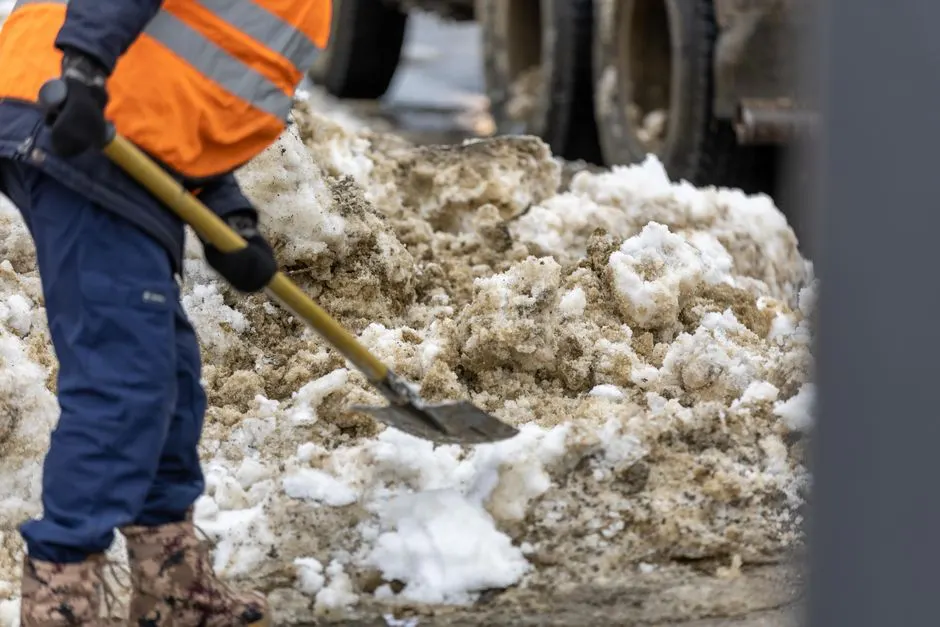
A worker dressed in high visibility clothing shoveling snow during winter maintenance.
Licensed Licensed & Bonded
Fully Insured Insured & Bonded
24/7 Emergency Same-Day Response
Warranty Backed Workmanship Guaranteed

What Sump Pump Cleanup Includes

Sump pump failure cleanup covers assessment, standing-water extraction, cleaning of affected surfaces, drying equipment, and moisture verification. The exact work depends on water depth, contamination, and which materials were reached. We explain any repair needs separately, such as pump replacement, electrical work, or rebuilding damaged finishes, so you know which tasks address water damage and which correct the original failure.

Water Source Assessment

We inspect the sump basin and accessible discharge components, note whether water appears to be rainwater or contaminated, and identify immediate hazards. This first check informs the extraction method and helps you understand whether a plumber or electrician must correct the cause before the next storm.


Standing Water Extraction

We remove pooled water with a submersible pump, truck-mounted unit, or portable extractor based on volume and access. Water-absorbent extraction pads help collect residual moisture along edges and in tight areas. We also protect dry pathways so wet equipment and materials do not spread water through the home.

Surface Cleaning

Affected hard surfaces and salvageable materials are cleaned according to the water source and condition. If disinfection is needed, we follow EPA-registered disinfectant label compliance for application and contact time. Contaminated water receives a different handling plan from a clean rainwater overflow.

Drying and Monitoring

We position air movers and commercial dehumidifiers to dry affected materials and track progress with moisture readings. We check at the surface and at likely moisture traps, such as baseboards and flooring seams. Equipment stays in place until readings support a dry condition, not simply until the floor looks dry.

Completion Review

Before wrapping up, we review the affected footprint, drying measurements, and any visible repair needs with you. We identify remaining concerns such as swollen trim or damp wall cavities and explain the next step. Pump repair and reconstruction are separate from water extraction and drying.

Sump Pump Failure Cleanup in Connecticut


Sump Pump Failure Cleanup in Connecticut is a water damage mitigation service that removes water and dries basement materials after a sump pump stops, fails, or cannot keep up with inflow. We first identify electrical and water hazards, then use a submersible pump or truck-mounted water extraction unit for deeper water and a portable extractor for remaining pools. Moisture readings guide decisions about carpet, pad, baseboards, and contents. Fast extraction matters because water can wick into wall cavities and flooring within hours.

Connecticut homes face a mix of spring thaw, heavy rain, nor'easters, and freeze-thaw cycles that can expose a weak pump or blocked discharge line. Our Connecticut Sump Pump Failure Cleanup addresses the water and checks likely causes, including a stuck float, clogged intake, tripped breaker, or frozen discharge. If you need to remove basement water after sump pump failure in Connecticut, we separate clean rainwater from sewage-contaminated water and choose safe handling methods for the actual source.

What to Expect During Cleanup

Sump pump failure cleanup in Connecticut follows a controlled sequence: make the area safe, identify the water source, extract, dry, and verify. We keep you informed as each step changes the condition of your basement. A small, accessible water loss may take several hours of active work; structural drying often continues for 2 to 5 days, depending on materials and readings.

01

Schedule

Call or book online — a real human picks up and confirms a 2-hour arrival window.

02

Diagnose

Licensed tech inspects on-site, then walks you through the cause and your options.

03

Fix

The job is completed to code and done right the first time — no shortcuts, no surprises.

04

Guarantee

Every job backed by a written workmanship warranty — and we stand behind it.

Tools and Drying Methods

Tools & Equipment

Truck-mounted water extraction unit

This high-volume equipment removes substantial standing water through an extraction hose, useful when a basement has several inches of water or a broad affected footprint.

Portable extractor

A portable extractor reaches smaller rooms, stair landings, and carpeted areas that a truck-mounted hose may not access efficiently. It pulls water from surfaces after bulk removal.

Moisture meter

We use a moisture meter to compare affected materials with dry reference areas and track drying progress. Readings help guide equipment placement and completion decisions.

Commercial dehumidifier

A commercial dehumidifier removes water vapor from basement air as wet materials release moisture. We pair it with air movement and adjust placement as readings change.

HEPA air scrubber

A HEPA air scrubber filters airborne particles when site conditions call for controlled air cleaning. We use HEPA filter media and position equipment to support a contained work area.

Dri-Eaz air mover

A Dri-Eaz air mover directs airflow across wet flooring and other materials to support evaporation. Placement depends on the room layout, surfaces, and moisture readings.

Methods & Standards

IICRC water mitigation principles

We use IICRC Water Damage Restoration Technician (WRT) principles to assess the water loss, choose extraction methods, and monitor drying. The water category and affected materials guide cleaning decisions. We document moisture progress and change equipment placement when measurements show that a surface or assembly is drying unevenly.

Source and contamination assessment

Before cleaning, we determine whether the water appears to be rainwater, groundwater, or sewage-related. That assessment affects protective equipment, surface treatment, and handling of porous contents. When contamination is possible, we control access and follow disinfectant label directions rather than applying a general cleaner without checking the source.

Targeted structural drying

We combine air movement with dehumidification and take repeat readings at affected materials and dry reference points. This approach helps avoid both under-drying and unnecessary equipment time. If moisture remains behind a finish, we explain the options for access and further drying before it creates a larger repair problem.

Work-area containment

Where the layout or cleanup conditions warrant it, we use polyethylene containment sheeting and protective coverings to separate the work zone from dry living areas. We maintain clear access routes and keep equipment positioned to avoid spreading debris or tracking water. OSHA hazard communication training informs safe handling of cleaning products.

When to Call for Cleanup

01

Your sump pump loses power during a storm, and water begins spreading across a finished basement.

What we do: We assess electrical safety and water depth, then extract pooled water with equipment suited to the room. We check carpet, pad, baseboards, and stored items for moisture migration and set drying equipment where needed. You receive a clear explanation of what the water reached and which materials require follow-up.

→ Standing water is removed, affected materials are measured, and drying begins without sending you into an unsafe room.

02

The pump runs continuously after heavy rain, but the basin level keeps rising.

What we do: We remove overflow water while checking visible clues such as a blocked discharge outlet or a stuck float. We do not substitute cleanup for pump repair; instead, we help stop water damage while identifying issues to pass to your plumber. Drying begins after the affected floor and lower wall areas are cleared.

→ Your basement gets immediate water removal, with the suspected pump or discharge issue clearly identified for repair.

03

A frozen discharge line backs water into a lower level during a Connecticut cold snap.

What we do: We extract the water and inspect nearby flooring, foundation walls, and stored contents for wet areas. Air movers and dehumidifiers support drying once the source is controlled. We use moisture readings to distinguish dry surfaces from materials that still hold water beneath the finish.

→ The wet footprint is mapped and drying is targeted, helping you plan repairs without overlooking concealed moisture.

04

A sump basin overflows in a utility room that shares a wall with finished living space.

What we do: We protect the dry route, extract water from the utility area, and inspect the shared wall and adjoining floor for moisture. If contamination is suspected, we adjust cleaning and protective procedures. You can see which side of the wall needs monitoring and whether drying equipment must extend into the finished room.

→ Water is cleared from both accessible areas, and the shared wall receives attention before concealed moisture is missed.

How Cleanup Works Across Connecticut

Sump pump overflow cleanup in Connecticut changes with the season and the building. In November and through winter, frozen discharge lines and freeze-thaw movement can complicate drainage; spring rain and snowmelt raise inflow, while summer downpours can overwhelm a basin in minutes. Older homes may have stone or mixed-material foundations, and finished basements often hide water behind paneling, carpet, or built-in storage. We adapt extraction and drying to the actual construction rather than assuming every basement has a slab and open walls. If you need basement cleanup after sump pump failure Connecticut, we check the water source, the route it traveled, and whether a connected crawl space or utility room was affected. For shared buildings, we keep work areas and access paths clear, coordinate around essential services, and follow applicable safety and product-label requirements. Where lead-painted finishes may be disturbed, EPA Lead Renovation, Repair and Painting (RRP) certification requirements apply to the renovation work; water extraction alone does not authorize finish removal.

Neighborhoods We Serve

  • Bristol

    Basements with finished rooms and utility spaces need careful checks around carpet edges, mechanical equipment, and lower wall finishes after a sump overflow.

  • Ansonia

    Runoff entering lower levels can leave water along foundation walls and stored items; we trace the wet footprint beyond the visible pool.

  • Thompsonville

    Storm-driven water and older basement layouts call for checking low corners, stairwells, and the path between the sump basin and finished areas.

  • Simsbury Center

    After prolonged rain or thaw, we check basement floors and connected storage areas for moisture that may have moved beyond the sump room.

Local Conditions We Plan For

  • Freeze-thaw cycles can block or damage sump discharge lines.

    A pump may run while water fails to leave the property, allowing the basin to overflow. We remove water and flag visible discharge concerns for plumbing repair, then dry materials based on measurements rather than waiting for another cold night to reveal the problem.

  • Spring rain and snowmelt increase groundwater and foundation seepage.

    A sump system can receive water for hours, and a weak float or overloaded pump may fall behind. We assess whether the overflow stayed in one room or reached storage, carpet, or a crawl space, then scale extraction and drying to the full affected area.

  • Finished basements conceal moisture behind trim and flooring.

    Surface cleanup alone may miss water beneath carpet or inside a wall cavity. We check material edges and take readings at likely migration points. If a finish blocks drying, we explain the next step before moisture remains trapped behind it.

Storm Overflow in Finished Basement

Before

A failed pump left about 2 inches of water across a finished basement after heavy rain. Carpet was wet at the perimeter, a storage shelf sat in standing water, and the lower section of one wall felt cool. The visible puddle did not show how far moisture had moved under the carpet or behind the baseboard.

After

The crew extracted standing water, checked the carpet edge and wall with a moisture meter, and placed air movers with a commercial dehumidifier. After 3 days of monitored drying, readings showed the affected materials had returned toward dry reference levels. The wet storage items were separated for cleaning or disposal decisions.

Maintenance: Test the sump pump before forecast heavy rain and keep the discharge outlet clear. Check the basin for debris and confirm the float moves freely. A plumber should inspect a pump that runs continuously or fails to discharge.

Before

During a cold spell, the sump pump ran but water backed up because the discharge path was frozen. Water spread from the utility corner into a short hallway, reaching boxes and the bottom edge of drywall. The floor looked mostly clear after the pump stopped, but damp material remained along the wall.

After

We extracted the remaining water, checked the hallway and utility-room wall, and set drying equipment based on moisture readings. The affected footprint covered two rooms, and monitoring continued for 2 days. The customer received a clear note about the discharge concern to address before the next freeze.

Maintenance: Have a qualified plumber assess the discharge arrangement and check valve if backup recurs. Keep the sump basin clear and test the pump periodically. Before winter, confirm the visible outlet is not obstructed by ice, debris, or stored materials.

Before

A stuck float allowed the sump basin to overflow into a storage area. Water reached the bottom of several cartons and spread along the concrete floor, leaving a musty smell near the foundation. Contents blocked the wall, so the full boundary of the wet area was not immediately visible.

After

We removed standing water, shifted affected contents to a dry area, and checked the floor and lower wall for residual moisture. Extraction and drying covered the storage corner and adjacent walkway. Follow-up readings guided equipment adjustments until the area was dry enough for the customer to sort belongings safely.

Maintenance: Keep stored items on shelving rather than directly on the basement floor, especially near the sump basin. Test the float and pump operation regularly, and avoid stacking boxes against foundation walls where they can hide early seepage.

Stop Damage After Pump Failure

A flooded basement can damage more than the floor you see. Water travels beneath carpet, into baseboards, and around stored belongings, while a failed discharge system can keep the basin filling. We identify the wet footprint, remove standing water, and dry affected materials to help limit continued damage and secondary mold growth.

Problem

Water remains under carpet after the sump pit empties.

Padding can hold moisture against the floor, while damp edges and tack strips remain hidden from view. That trapped water can prolong drying and create odor.

Our Fix

We extract visible water and use a portable extractor on carpeted areas where appropriate. Moisture readings help determine whether the pad and subfloor are drying or need additional action. We explain the condition of the materials rather than assuming a dry surface means the whole assembly is dry.

Problem

A pump failure leaves water around electrical equipment.

Wet outlets, appliances, or extension cords create a serious shock hazard, and entering the water can put you at risk before cleanup begins.

Our Fix

We check access and visible electrical hazards before entering the affected area. We do not ask you to cross standing water or handle wet electrical equipment. If power isolation is needed, we direct you to a qualified electrician or safe shutoff point before extraction proceeds.

Problem

Overflow water has an odor or signs of sewage.

Contaminated water can expose occupants to harmful material and spread beyond the sump room on shoes, stored items, or cleaning tools.

Our Fix

We treat suspicious water as contaminated until the source is assessed, use personal protective equipment, and keep the work area controlled. Our crew removes affected water and cleans impacted surfaces with appropriate disinfectant procedures. We also identify materials that require further removal or restoration.

Problem

The basement looks dry but walls remain damp.

Moisture can remain behind baseboards or inside wall cavities after surface water is gone, increasing the chance of damage and secondary mold growth.

Our Fix

We compare moisture readings with unaffected sections and inspect likely migration paths. A thermal imaging camera can help locate temperature differences for targeted investigation, followed by direct moisture checks. We then adjust airflow or recommend opening affected materials when readings show they are not drying in place.

A Drier Basement, Faster

A Drier Basement, Faster

A failed pump can leave more than a puddle: saturated carpet, swollen trim, damaged stored items, and moisture trapped behind finished walls. We focus on the work that changes the outcome: removing water promptly, measuring materials, and drying the affected footprint. You get a clear account of what is wet and what happens next.

  • Less Water Left Behind

    We remove standing water with equipment suited to its depth and access, then extract residue from carpet and hard flooring. Our sump pump failure cleanup service Connecticut work includes checking edges, stairwells, and low spots where water collects. Removing water thoroughly helps reduce the time materials remain saturated and gives drying equipment a better starting point.

  • Measured Structural Drying

    A moisture meter helps us compare wet readings with unaffected areas instead of guessing from the surface. We place air movers and commercial dehumidifiers to move moisture out of flooring and framing, then record progress. Your basement gets a drying plan based on the materials and water path, not a one-size-fits-all equipment setup.

  • Safer Water Handling

    Water from a sump pit is not always clean; a failed check valve or sewer connection issue can change the risk. We assess the source before handling contents and use personal protective equipment where conditions call for it. When water is contaminated, we adjust extraction and cleaning methods rather than treating it like ordinary rainwater.

  • A Practical Next Step

    After extraction, we explain which materials are drying in place and which need removal or further restoration. If hidden moisture is suspected, a thermal imaging camera can help locate temperature patterns for follow-up moisture checks. You leave with a documented understanding of the affected area and the next drying milestone.

Training and Work Standards

Licensed & Certified

  • Water Damage Restoration Technician (WRT) — issued by Institute of Inspection, Cleaning and Restoration Certification
  • Applied Structural Drying (ASD) — issued by Institute of Inspection, Cleaning and Restoration Certification
  • Applied Microbial Remediation Technician (AMRT) — issued by Institute of Inspection, Cleaning and Restoration Certification
  • OSHA Hazard Communication Training — issued by Occupational Safety and Health Administration

Verified Reviews

Customer feedback Not rated

A homeowner described a sump overflow that reached a finished room and the utility area. The crew extracted water, checked the baseboards, and explained why drying equipment stayed in place after the visible floor was clear. The homeowner valued the practical updates and the distinction between cleanup and the plumber's pump repair.

Customer feedback Not rated

After a storm-related pump failure, a customer said the team checked electrical safety before entering and removed standing water from a carpeted basement. Follow-up moisture readings helped show which areas were still drying. The customer appreciated having a clear next step for the discharge-line issue.

Customer feedback Not rated

A customer with water near stored belongings reported that the crew cleared the wet area, inspected the wall edge, and helped separate affected items. The explanation of the water source and cleaning approach made it easier to decide what to keep and what needed additional attention.

Field Knowledge That Matters

Sump pump failures demand more than a wet vacuum and a quick pass over the floor. Our local experience covers basement flooding, hidden moisture in walls and flooring, crawl space water intrusion, stormwater, and secondary mold growth after water damage. Our technicians use water-restoration training, containment practices, and measured drying rather than relying on appearance alone. We work to IICRC Water Damage Restoration Technician (WRT) principles, and apply OSHA hazard communication training and respiratory protection practices when site conditions require them.

  • We distinguish rainwater from sewage backup before selecting extraction, cleaning, and protective procedures.
  • Moisture readings help us decide whether carpet, baseboards, or wall cavities need additional drying attention.
  • We use HEPA air scrubber filtration when conditions call for controlled air cleaning around affected work areas.
  • Our technicians recognize frozen discharge lines and clogged check valves as common contributors to winter pump trouble.
  • We document affected materials and drying progress so you can follow the work rather than guess from surface appearance.
Get Started Today
Field Knowledge That Matters

Sump Pump Cleanup Questions

Real answers to the questions we hear most often from local homeowners and property managers.

What should I do when my sump pump fails and the basement floods?
Keep clear of standing water near electrical equipment, stop using affected outlets, and call for emergency help immediately. If it is safe, move people and pets away from the wet area and avoid running appliances in water. Do not enter water if you suspect sewage or exposed wiring. We can assess the source, extract water, and begin drying; a plumber or electrician may need to repair the pump or power issue.
How soon should sump pump overflow cleanup begin in Connecticut?
Begin extraction as soon as the area is safe, ideally within 24 hours of the overflow. Earlier removal limits how long carpet, trim, and framing remain wet, though drying time depends on material and water depth. Sump pump overflow cleanup near me in Connecticut should also include moisture checks, not just visible water removal. Call promptly if water is still entering, the basement smells foul, or the pump's electrical supply is affected.
Does Sump Pump Failure Cleanup include drying and sanitizing?
Yes, cleanup includes water extraction, affected-surface cleaning, drying equipment, and moisture checks; sanitizing is based on the water source. We use EPA-registered disinfectant label compliance when treatment is appropriate and document readings as materials dry. Ordinary rainwater and sewage-contaminated water require different handling. Repairs to the pump, electrical system, or finished materials are separate work, and we explain any needed follow-up before the cleanup is complete.
What causes sump pump failure during heavy rain in Connecticut?
Heavy inflow, a stuck float, clogged intake, failed check valve, blocked discharge, power loss, or an undersized pump can cause an overflow. During a storm, water may arrive faster than the basin can discharge it, especially if the outlet is obstructed. We remove the water and identify visible contributing conditions. A qualified plumber or electrician should repair mechanical or electrical faults before the next major rain.

Related Water Damage Services

Emergency Water Extraction

When a failed sump pump leaves standing water, emergency extraction gets the water out before drying can work effectively. We select truck-mounted or portable equipment for the room and water depth, then check low spots and flooring edges that hold residual water.

View Emergency Water Extraction

Water Damage Restoration

After extraction, restoration addresses wet building materials and the damage left behind. We measure moisture, dry salvageable materials, and identify areas needing repair or replacement. This service connects sump pump cleanup to the broader work of returning your basement to usable condition.

View Water Damage Restoration

Flood Water Removal

Stormwater entering through a basement window, foundation opening, or overwhelmed drain can accompany pump failure. Flood water removal focuses on extracting the incoming water and cleaning affected surfaces. We assess contamination and water paths before deciding how to handle contents and materials.

View Flood Water Removal

Basement Water Removal

A sump pit overflow can spread across a finished or unfinished basement, collecting under stored items and along foundation walls. Basement water removal clears standing water, then supports drying with targeted equipment. We pay attention to utility areas and concealed corners where moisture can linger.

View Basement Water Removal

Crawl Space Water Removal

A failed sump system may also leave water in a connected crawl space or low foundation area. We extract accessible water, assess wet insulation and framing, and plan drying around restricted access. Addressing both spaces helps prevent moisture from remaining below the basement floor.

View Crawl Space Water Removal

Standing Water Removal

Standing water removal handles the immediate pool left after a pump stops or cannot keep up. We use equipment matched to water depth and access, then extract remaining surface moisture. Prompt removal makes it possible to inspect flooring, baseboards, and nearby contents accurately.

View Standing Water Removal

Call for Sump Pump Failure Cleanup

Water keeps moving into flooring and wall materials while it sits. Call Connecticut Water Extraction Pros at +18668968166 for Sump Pump Failure Cleanup in Connecticut; our trained technicians will help you take the next step and start water removal. Ask for upfront pricing before work begins.

Call now Call for Cleanup

Contact Our Connecticut Team

Call Connecticut Water Extraction Pros at +1 866-896-8166 when a leak, flood, or backup has left water in your property. Our phone line is available 24/7 for emergency requests, and we will ask where the water is, when it started, and whether the source is controlled. Share your town and affected rooms so we can connect you with an independent company serving your area.

Or call us right now at +18668968166 — we answer.

Connecticut Water Extraction Pros


  • Phone

    +18668968166
  • Address

    Connecticut

  • Hours

    Mon–Fri: 7AM – 7PM
    Sat: 8AM – 4PM
    Sun: Emergency Only
    24/7 Emergency Available

Call +18668968166 Get Quote
Call Quote