
Logo
Get Estimate

Water Damage Restoration in Connecticut for Safer, Drier Homes

We remove water, dry materials, and limit further damage.


Water Damage Restoration in Connecticut helps homeowners and property managers stop active water damage, remove standing water, and dry affected materials before moisture spreads. At Connecticut Water Extraction Pros, we respond to leaks, basement flooding, storm intrusion, and sewage backups with a measured plan for your building. Our technicians locate wet areas, explain the next steps, and work to return rooms to usable condition.

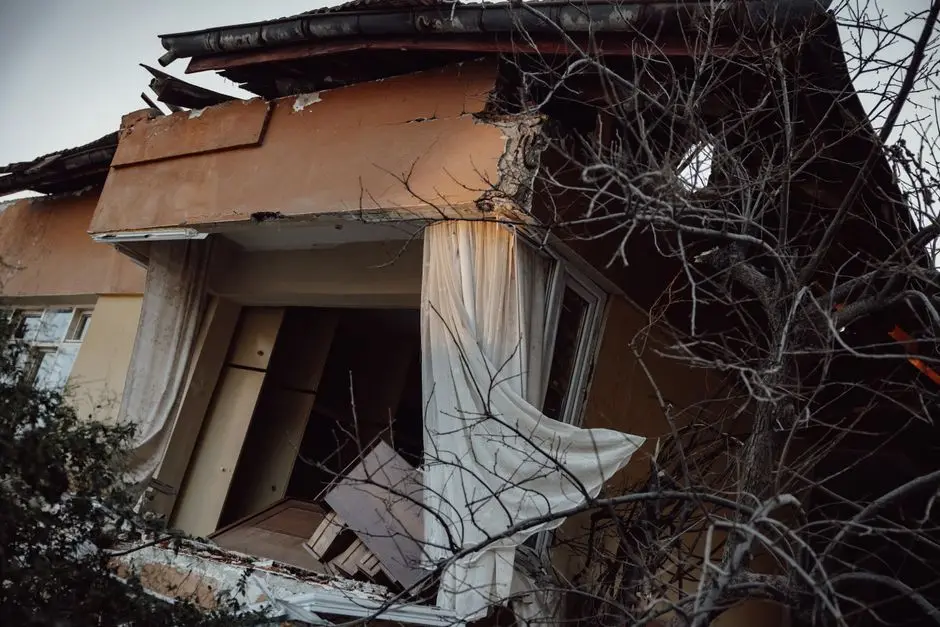
Exterior of a damaged house showing destruction from a natural disaster.
Licensed Licensed & Bonded
Fully Insured Insured & Bonded
24/7 Emergency Same-Day Response
Warranty Backed Workmanship Guaranteed

What Water Damage Restoration Includes

Water Damage Restoration covers the immediate work needed to remove water, clean affected surfaces, dry salvageable materials, and verify moisture conditions. We tailor the sequence to the source and the building. Reconstruction, plumbing repairs, and replacement of materials that cannot be restored are separate trades or follow-up work, and we explain those needs as the affected areas become accessible.

Water Source Assessment

We inspect the affected rooms, ask when the water appeared, and identify whether the source is still active. A moisture meter helps establish where materials are wet, while visual checks identify visible damage. You receive a practical plan for extraction, cleaning, and drying.
Water Extraction

We remove standing water with equipment sized to the affected area, then collect residual water from floor edges and accessible surfaces. Extraction reduces the moisture load before structural drying begins. The approach changes for a small plumbing leak, a flooded basement, or a contaminated backup.

Cleaning and Protection

We clean affected surfaces and use suitable disinfectant solutions when the water source requires them. Technicians wear personal protective equipment and take steps to keep debris and contamination contained. Product use follows applicable label directions and the conditions found onsite.

Structural Drying Checks

We place air movers and dehumidifiers to dry salvageable materials, then compare moisture readings during follow-up checks. This helps identify whether flooring, framing, or wall areas need additional drying. Equipment is removed after readings and site conditions support the handoff.

Water Damage Restoration in Connecticut: What It Covers


Water Damage Restoration in Connecticut is a property recovery service that removes unwanted water, dries affected building materials, and addresses contamination after leaks or flooding. We begin by identifying the water source and mapping moisture in floors, walls, and concealed spaces. A truck-mounted water extraction unit or portable extractor removes water; air movers and a commercial dehumidifier then support controlled drying. We document moisture readings so you can follow progress instead of relying on surface appearance alone. Work may include removing unsalvageable materials and cleaning affected surfaces.

Connecticut homes face winter frozen pipe water damage, spring thaw and rain, humid summer conditions, and fall storms that overwhelm drains or sump pumps. Older basements, finished lower levels, and crawl spaces can hold hidden moisture long after a puddle disappears. Our Connecticut water damage repair services address the wet materials and conditions behind the visible stain. If you are weighing how to restore a home after water damage in Connecticut, start by stopping the source, documenting affected areas, and arranging prompt inspection and drying.

What to Expect During the Work

Water Damage Restoration in Connecticut follows a practical sequence: control the source, extract water, dry materials, and verify conditions. We explain what we find before moving into the next step, keep paths through the work area clear, and update you as readings change. A small clean-water leak and a sewage loss require different handling.

01

Schedule

Call or book online — a real human picks up and confirms a 2-hour arrival window.

02

Diagnose

Licensed tech inspects on-site, then walks you through the cause and your options.

03

Fix

The job is completed to code and done right the first time — no shortcuts, no surprises.

04

Guarantee

Every job backed by a written workmanship warranty — and we stand behind it.

Equipment and Drying Methods

Tools & Equipment

Truck-mounted water extraction unit

We use high-capacity extraction for accessible areas with substantial water, such as a flooded lower level. It removes bulk water quickly before detailed edge extraction and drying setup.

Portable extractor

A portable extractor reaches rooms where access, stairs, or layout make a truck-mounted setup impractical. It helps remove water from carpet and other accessible surfaces after a leak or localized flood.

Moisture meter

We take readings in affected materials to map damp areas and compare conditions during drying. The measurements help guide equipment placement and confirm progress beyond what a dry-looking surface can show.

Dri-Eaz dehumidifier

A commercial dehumidifier removes moisture from indoor air during structural drying. We pair it with airflow equipment and monitor conditions so the setup responds to the room and the affected materials.

Air mover

Air movers direct airflow over wet surfaces and exposed materials to support evaporation. We position them to reach affected areas while keeping walkways and equipment access as practical as the site allows.

Methods & Standards

IICRC water-restoration practice

We assess the water source, affected materials, and contamination risk before selecting extraction and cleaning steps. IICRC Water Damage Restoration Technician training informs the work sequence, while moisture documentation guides drying checks. The result is a plan tied to site conditions rather than a generic equipment setup.

Moisture mapping and verification

Our technicians record readings in affected and nearby materials to establish a baseline, then revisit those points during drying. Thermal imaging can help identify temperature patterns that warrant closer inspection, but readings and physical checks determine the next action. We use the comparison to support a clear handoff.

Controlled cleaning and containment

For contaminated losses, we use appropriate protective equipment and keep affected materials separated from clean areas. Disinfectant and antimicrobial solutions are applied only where suitable and in accordance with applicable label directions. The method limits spread during removal and cleaning, then leaves the area ready for drying or repair.

When Restoration Is Needed

01

A pipe breaks overnight and water runs through a ceiling before you find the shutoff.

What we do: We inspect the ceiling, rooms below, and nearby wall cavities after the plumbing source is controlled. Our crew extracts accessible water, documents affected materials, and sets drying equipment. We also check for hidden moisture beyond the visible stain so you have a complete picture before repairs.

→ You get water removed and a drying plan based on readings, with damaged areas identified before a repair crew closes the ceiling.

02

A winter freeze leaves a split line and wet flooring in a utility room.

What we do: We check whether water is still entering, inspect adjacent rooms, and remove water from floors and low points. Air movers and dehumidification support drying after extraction. If wall materials are involved, we track readings and identify access needs before deciding whether they can remain.

→ The affected area moves from active leakage to measured drying, with clear repair needs and less moisture left concealed in the room.

03

Heavy rain overwhelms a sump pump and floods a finished basement.

What we do: We pump out standing water, inspect carpet, baseboards, and stored belongings, and sort materials by condition. The crew checks whether water reached wall cavities and positions drying equipment to address affected surfaces. If the water source presents contamination concerns, cleaning and protective controls are adjusted.

→ You know which contents and materials can be dried, what needs removal, and how the basement will be checked before repairs.

04

An appliance hose leaks slowly and leaves a musty smell near cabinets.

What we do: We inspect the cabinet base, adjacent flooring, and wall surfaces for hidden moisture, then extract any accessible water. Our team records readings and targets drying airflow where the materials are damp. We clean affected surfaces as needed and explain whether cabinetry or flooring requires further repair.

→ The leak area is mapped and dried methodically, reducing the chance that unseen moisture remains beneath cabinets or along flooring.

How Restoration Works Across Connecticut

Connecticut Water Damage Restoration has to account for both weather and building construction. By November, freezing nights raise the risk of burst pipe water damage in unheated rooms; winter can also leave second-home or vacant-building lines vulnerable. Spring rain and snowmelt can load basement drains and sump pumps, while humid summer air makes moisture control important during drying. Coastal properties also face wind-driven rain and storm intrusion, while inland homes may see long freezes and thaw cycles. Our water damage restoration company Connecticut service adapts inspection and equipment placement to the property, whether it is an older basement, a finished lower level, or a newer multi-unit building. We check for hidden moisture in walls and flooring, document readings, and separate contaminated areas where necessary. The IICRC framework guides restoration practices; applicable building, plumbing, and safety requirements depend on the repair work and local authority. If you need professional Water Damage Restoration for Connecticut homes, we coordinate extraction and structural drying first, then identify the repair handoff so your home is not closed up while materials remain wet.

Neighborhoods We Serve

  • South End, Stamford

    Basement and lower-level leaks can affect finished rooms and stored property. We check flooring edges, wall bases, and adjoining spaces before setting drying equipment.

  • Devon, Milford city

    Rain and wind-driven water can reach low areas and utility spaces. We identify the entry point, remove pooled water, and check nearby materials for concealed dampness.

  • Downtown Storrs

    Multi-unit buildings and student housing need clear access planning when a leak affects shared walls or floors. We map affected rooms and keep drying equipment positioned around normal building circulation.

  • Southwood Acres residential areas

    A burst pipe or appliance leak can travel from a utility room into adjoining living space. We inspect the path of water and measure affected flooring before repairs.

  • Northford village areas

    Basement seepage and plumbing leaks call for checking both visible puddles and nearby framing. We extract water and track readings through the drying cycle.

Local Conditions We Plan For

  • Cold winter nights increase frozen-pipe risk in exposed areas.

    An unheated garage, crawl space, or utility room can leave a line vulnerable during a sustained freeze. After a break, water may run through framing before the leak is found, so we inspect adjacent rooms as well as the obvious wet area.

  • Spring rain and thaw can overwhelm basement drainage.

    Runoff and rising groundwater can enter through low points or challenge a sump pump. We remove standing water, check whether inflow continues, and assess finished flooring and lower wall sections for moisture that remains after pumping.

  • Humid summer air can slow moisture removal indoors.

    A damp room needs managed airflow and dehumidification, not open windows alone. We use moisture readings to guide equipment placement and keep checks focused on materials that hold water, including subfloors and wall assemblies.

Basement Flood After Heavy Rain

Before

A sump pump failure left roughly 1 inch of water across part of a finished basement. Carpet, baseboards, and boxes were wet, and the floor looked dry near the doorway while moisture remained under stored items. The owner needed to know what could be saved before starting repairs.

After

We pumped and extracted the standing water, checked the carpet edge and lower wall, and set drying equipment. Follow-up readings over 4 days showed moisture declining in the targeted areas. The owner had a documented list of affected materials and could proceed with repair decisions without relying on appearance alone.

Maintenance: Keep the sump pit clear, test the pump on a regular schedule, and move stored boxes off the floor. After heavy rain, check the lowest basement corners for dampness before it spreads.

Before

A split pipe released water into a utility room and under nearby flooring before the shutoff was found. The surface puddle was small, but the wall base and floor seams showed signs of moisture. The homeowner was concerned the leak had travelled into the adjoining room.

After

After the source was controlled, we extracted water and mapped the damp area with a moisture meter. Air movers and a dehumidifier ran through a measured drying cycle, with checks over 3 days. The readings helped identify the affected flooring and confirmed which adjoining areas needed attention.

Maintenance: Keep vulnerable pipes protected during freezes, maintain heat in rooms with plumbing, and check utility areas after a cold snap. If a line leaks, shut off the water and arrange prompt inspection.

Before

A slow dishwasher leak wet the cabinet base and the floor seam beside it. The kitchen surface appeared nearly dry, but a musty smell remained and moisture had reached materials hidden from view. The household needed a way to identify the full extent without guessing.

After

We inspected the cabinet edge and nearby flooring, extracted accessible water, and monitored moisture readings during drying. The affected area was isolated for airflow, and the owner received a clear handoff identifying surfaces ready for repair. The drying plan focused on the concealed wet area rather than the whole kitchen.

Maintenance: Inspect appliance hoses and cabinet bases periodically, especially after moving or servicing an appliance. Clean small spills promptly, but arrange a moisture check if an odor or swelling persists.

Problems Solved by Professional Water Damage Restoration

Water Damage Restoration addresses more than visible puddles: moisture can travel behind trim, under flooring, or into wall cavities. We trace the affected area, remove water, and set drying equipment based on material readings. Acting promptly helps limit avoidable damage and gives you a documented path from first inspection to repair.

Problem

Basement flooding leaves water under stored items and finished flooring.

Water trapped below boxes, carpet, or laminate can keep materials damp after the floor looks clear, increasing the chance of deterioration and secondary mold growth.

Our Fix

We move accessible contents as the work area allows, extract standing water, and inspect floor edges and nearby walls with moisture tools. Our technicians place drying equipment where it can reach affected materials and record follow-up readings, so you can see whether moisture is declining before repairs begin.

Problem

A plumbing leak wets a wall cavity without an obvious surface puddle.

Hidden moisture can soften drywall, stain ceilings, and spread along framing before a leak becomes visible in another room.

Our Fix

We trace the wet area using a moisture meter and thermal imaging camera, then determine the least disruptive way to access and dry affected materials. After the source is controlled, we extract accessible water, position air movers, and monitor the cavity and adjacent surfaces for progress.

Problem

Sump pump failure sends rainwater across a finished lower level.

Water can affect carpet, baseboards, stored belongings, and electrical-area access, while continued inflow makes cleanup harder and increases material loss.

Our Fix

We remove pooled water with a submersible pump or extractor, assess the water source, and separate affected contents from the drying zone. We clean surfaces according to the water condition and use dehumidification and moisture checks to determine when salvageable materials are ready for repair.

Problem

Sewage backup contaminates flooring and porous household materials.

Contaminated water presents sanitation concerns and can spread through foot traffic or cleaning attempts if the affected space is not controlled.

Our Fix

Our technicians isolate the work area, wear personal protective equipment, and remove contaminated water and materials that cannot be safely restored. We clean and disinfect suitable surfaces in line with product directions, then dry remaining materials and explain the repair steps needed to return the room to use.

Practical Outcomes for Your Property

Practical Outcomes for Your Property

Water damage spreads through porous materials and concealed cavities, so the goal is more than clearing a wet floor. We remove water, measure moisture, and set drying equipment where it can reach affected materials. You get clear progress checks, a cleaner work area, and a plan based on the actual damage rather than assumptions.

  • Less Water Left Behind

    We extract pooled water with equipment selected for the room and the volume involved, then check edges and low points with a moisture meter. That matters after basement flooding, where water can remain behind stored items or under finished flooring. Removing water early gives your drying plan a measurable starting point.

  • Drying You Can Track

    Our technicians record moisture readings as drying progresses instead of switching off equipment because a surface feels dry. Air movers and a commercial dehumidifier help move moisture out of materials and indoor air. Your technician can explain what changed at each check and whether more drying time is needed.

  • Cleaner Affected Areas

    Where water has contacted dirty surfaces, we clean and treat the affected area using suitable disinfectant and antimicrobial solutions. Sewage backup requires protective measures and careful handling, not a household wipe-down. We separate contaminated materials from clean areas and explain which surfaces can be cleaned and which need removal.

  • A Clearer Repair Path

    After extraction and drying, you can see what materials are stable and what needs repair or replacement. We document affected rooms and readings to support discussions with your insurer or repair contractor. Our water damage repair company near me in Connecticut service gives you a local point of contact through cleanup and recovery.

Training and Work Standards

Licensed & Certified

  • Water Damage Restoration Technician — issued by Institute of Inspection, Cleaning and Restoration Certification
  • Applied Structural Drying — issued by Institute of Inspection, Cleaning and Restoration Certification
  • Applied Microbial Remediation Technician — issued by Institute of Inspection, Cleaning and Restoration Certification
  • EPA Lead Renovation, Repair and Painting certification where applicable — issued by U.S. Environmental Protection Agency

Verified Reviews

Customer feedback Not stated

A homeowner described a basement leak that reached carpet and the lower wall. The crew removed standing water, placed drying equipment, and explained each moisture check. The customer valued knowing what was still wet and what could move on to repair.

Customer feedback Not stated

After a frozen pipe leak, a property owner said the technicians inspected the utility room and adjoining floor instead of treating only the visible puddle. Readings and a clear handoff helped the owner plan the next repair steps.

Customer feedback Not stated

A family with stormwater in a finished lower level appreciated the extraction and cleanup sequence. The team identified affected storage and flooring, then checked drying progress over several days so the family could make informed decisions about repairs.

Field Knowledge and Training

Connecticut Water Extraction Pros approaches Water Damage Restoration as a controlled building-drying job, not just a cleanup call. Our technicians use recognized water-restoration practices, document readings, and adjust equipment to the material and water category. Training matters when a frozen pipe opens inside a wall or a sump pump failure wets a finished basement. We follow applicable safety procedures, use appropriate protective equipment, and explain what the measurements mean in plain language. We do not claim a fixed number of years in business; our focus is careful inspection, documented work, and a practical handoff.

  • Technicians trained as IICRC Water Damage Restoration Technicians identify water categories, affected materials, and safe extraction priorities.
  • Applied Structural Drying training informs equipment placement and moisture checks in wall cavities, flooring systems, and other assemblies.
  • Our team follows OSHA hazard communication and respiratory protection training practices when job conditions require protective controls.
  • We use moisture meters and thermal imaging to guide inspection rather than opening walls without evidence of hidden moisture.
  • EPA-registered disinfectant label compliance guides product use on applicable contaminated surfaces and helps keep treatment within label directions.
Get Started Today
Field Knowledge and Training

Water Damage Restoration Questions

Real answers to the questions we hear most often from local homeowners and property managers.

What is included in Water Damage Restoration in Connecticut?
Water Damage Restoration in Connecticut includes inspection, water extraction, affected-surface cleaning, structural drying, and moisture verification. We identify wet materials, select equipment, and record readings as the job progresses. Repairs such as replacing drywall or flooring follow only where materials cannot be restored or are removed for access. The exact work depends on the water source, affected rooms, and building materials, so your technician explains the sequence after inspection.
How long does water damage repair take?
Water damage repair takes about 3 to 5 days for drying in many contained losses, while reconstruction can add several days or weeks. The drying period depends on water volume, material type, room temperature, and airflow. We check moisture readings during the process and do not treat a dry-looking surface as proof that a wall cavity or subfloor is dry. Your technician will explain the progress and the remaining work.
Does water damage restoration include structural drying?
Yes, Water Damage Restoration includes structural drying when building materials are wet and salvageable. We position air movers and dehumidifiers, then monitor moisture in materials such as drywall, framing, and subfloors. A typical drying cycle runs roughly 3 to 5 days, but dense materials or concealed water can take longer. We base equipment removal on readings and site conditions rather than a fixed calendar day.
Will insurance cover water damage cleanup in Connecticut?
Insurance may cover sudden accidental water damage, but coverage depends on your policy, the source, and exclusions. Take photographs, keep damaged-item records, and notify your insurer promptly; we can document affected areas and work for your claim file. Insurance-supported water damage cleanup Connecticut homeowners arrange still requires your insurer to determine coverage. Gradual leaks, floodwater, and neglected maintenance may be treated differently under policy terms.

More Ways We Remove Water

Emergency Water Extraction

Emergency Water Extraction removes active water before it spreads through flooring, walls, or stored belongings. We select a truck-mounted water extraction unit, portable extractor, or pump based on the room and water volume, then assess what needs drying next.

View Emergency Water Extraction

Flood Water Removal

Flood Water Removal addresses storm and floodwater intrusion in lower levels, garages, and living spaces. We extract water, separate affected contents, and assess contamination before planning structural drying. Your building materials and water source determine the cleaning approach.

View Flood Water Removal

Basement Water Removal

Basement Water Removal targets standing water from heavy rain, a failed sump pump, or plumbing leaks. We pump water from low points, check finished walls and flooring for hidden moisture, and set drying equipment where readings show it is needed.

View Basement Water Removal

Crawl Space Water Removal

Crawl Space Water Removal clears pooled water and addresses moisture affecting joists, insulation, and stored materials. We inspect access and safety first, extract water with suitable equipment, and check for lingering dampness that could contribute to secondary mold growth.

View Crawl Space Water Removal

Standing Water Removal

Standing Water Removal is the first practical step when a leak or storm leaves water across a floor. We remove bulk water, collect residual moisture at edges, and inspect nearby materials so the restoration plan covers more than the visible puddle.

View Standing Water Removal

Burst Pipe Water Extraction

Burst Pipe Water Extraction follows a sudden plumbing failure that wets floors, ceilings, or wall cavities. After the water source is controlled, we extract water, map affected areas, and dry salvageable materials. Prompt inspection helps reveal water that travelled beyond the break.

View Burst Pipe Water Extraction

Arrange Water Damage Restoration in Connecticut

A wet basement, burst pipe, or overflowing appliance needs a clear next step. Our technicians inspect the affected rooms, remove water, and explain the drying plan. Call Connecticut Water Extraction Pros at +18668968166 to discuss the damage and arrange service.

Call Now Call for Service

Contact Our Connecticut Team

Call Connecticut Water Extraction Pros at +1 866-896-8166 when a leak, flood, or backup has left water in your property. Our phone line is available 24/7 for emergency requests, and we will ask where the water is, when it started, and whether the source is controlled. Share your town and affected rooms so we can connect you with an independent company serving your area.

Or call us right now at +18668968166 — we answer.

Connecticut Water Extraction Pros


  • Phone

    +18668968166
  • Address

    Connecticut

  • Hours

    Mon–Fri: 7AM – 7PM
    Sat: 8AM – 4PM
    Sun: Emergency Only
    24/7 Emergency Available

Call +18668968166 Get Quote
Call Quote