


Residential Water Extraction for Stamford Homes
Stamford homes range from apartments and condominiums to older houses with basements, utility rooms, and finished lower levels. A leak from a water heater, washing machine, or burst pipe can soak flooring before it becomes visible in the next room. We remove standing water, check where moisture traveled, and set drying equipment around the affected materials. Water mitigation and structural drying in Stamford starts with measurements and source control, so you are not left guessing whether a wall or floor is still wet. We also work carefully around family belongings and keep pathways clear where the layout allows.
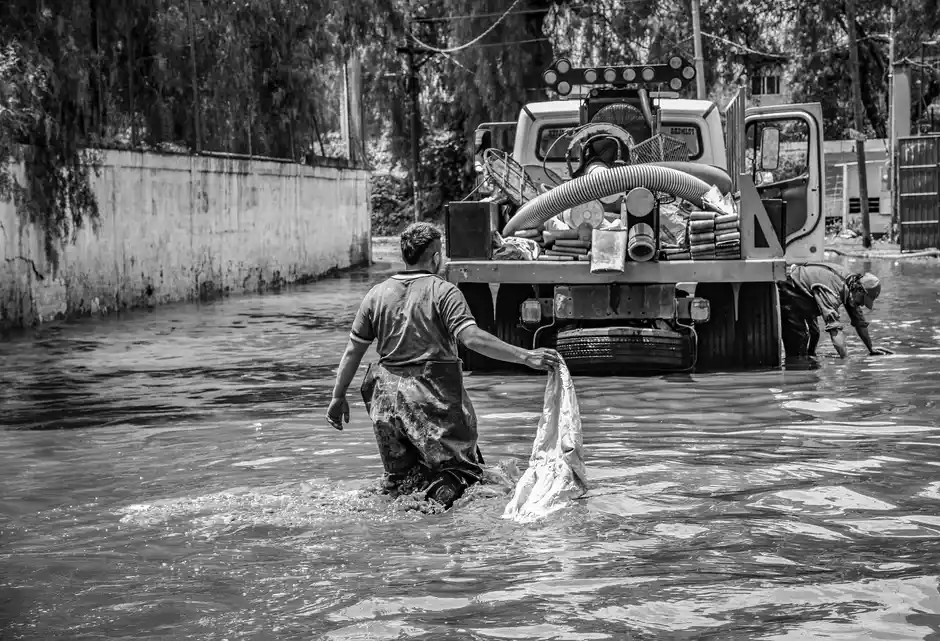
- Basement flood water removal — If water reaches your Stamford basement, we check for electrical hazards and the source before pumping or extracting. We inspect floor edges, storage areas, and lower walls for spread, then set equipment based on moisture readings. This approach helps protect finished rooms and identifies wet materials that a quick surface cleanup would miss.
- Burst pipe room extraction — A burst pipe can send water through several rooms or down into a lower level. We remove pooled water, trace the affected area, and check adjacent flooring and wall bases. In Stamford homes, the pipe location and finish materials determine where drying equipment should go after the plumbing repair is complete.
- Sump pump failure cleanup — When your sump pump fails, water can collect around stored belongings and finished surfaces. We assess depth and access, remove the water, and check the surrounding floor and lower wall sections. Our technicians monitor drying progress so you can see whether the affected materials are responding to the equipment.
- Sewage backup isolation and cleanup — A sewage backup calls for controlled access and cleaning beyond ordinary extraction. We keep people and pets clear of the affected area, remove contaminated water, and use appropriate protective measures and label-compliant products. In Stamford homes, we also protect clean pathways while moving equipment through occupied spaces.