
Logo
Get Estimate

Flood Water Removal in Connecticut for Fast Recovery

We remove standing water and protect your home


Flood Water Removal in Connecticut gets standing water out of homes and businesses after storms, plumbing failures, and basement flooding. Connecticut Water Extraction Pros serves property owners statewide with assessment, pumping, debris-aware extraction, and moisture checks. Our Connecticut Flood Water Removal team helps you limit damage to floors, walls, belongings, and building materials, then explains the practical next steps for drying and restoration.

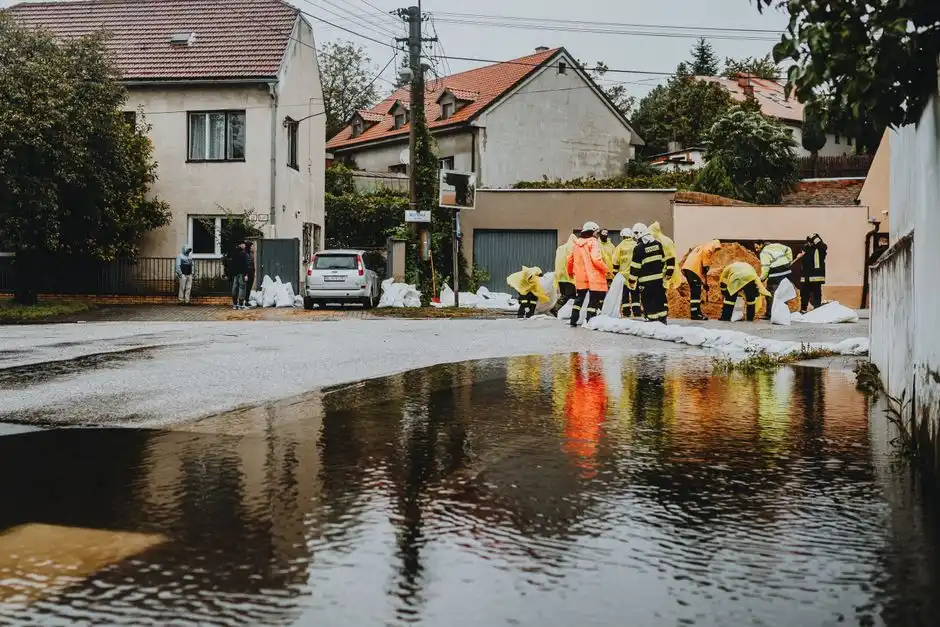
Emergency responders in reflective gear addressing floodwaters on a residential street.
Licensed Licensed & Bonded
Fully Insured Insured & Bonded
24/7 Emergency Same-Day Response
Warranty Backed Workmanship Guaranteed

What Flood Water Removal Includes

Our Flood Water Removal work covers assessment of the water source, safe access planning, extraction of standing water, and moisture checks in affected areas. We explain whether active drying is needed and identify materials that require separate cleaning or repair. Specialized remediation, demolition, rebuilding, and contents restoration are separate work stages when the property conditions call for them. You will know what the extraction visit addressed and what remains.

Water Source Assessment

We ask how water entered, whether the source is still active, and which rooms were affected. This helps us distinguish stormwater from a plumbing leak or sewage backup and choose a safe approach. We also note visible hazards and identify areas that should not be entered until assessed.

Standing Water Extraction

We pump or extract accessible water from floors and low areas using equipment suited to the depth and surface. The method may include a submersible pump, portable extractor, or truck-mounted system. We work methodically through affected rooms and take care around contents that can be moved safely.

Moisture Readings

After water removal, we check affected material surfaces and edges for retained moisture. Readings help identify where drying should continue, including wall bases and flooring transitions. We explain the results in plain language so you understand why a surface that looks dry may still need attention.

Drying Recommendations

We identify where air movement and dehumidification can support drying and explain how to monitor progress. If the water source or building materials require specialized cleaning, removal, or restoration, we clarify that as a separate next stage instead of presenting extraction as a complete repair.

Flood Water Removal in Connecticut: What It Covers


Flood Water Removal in Connecticut is an emergency cleanup service that extracts standing water from buildings after storms, plumbing failures, or other indoor flooding. We identify the water source and affected rooms, then use pumps and extraction equipment suited to water depth, access, and contamination concerns. Removing visible water is only the first step: we check flooring, wall edges, and cavities for retained moisture so you know where drying work is needed. The goal is to stop water from continuing to spread and leave the property ready for documented structural drying.

Connecticut homes face a mix of coastal storm rain, inland runoff, freeze-thaw weather, and aging basement or crawl-space assemblies. A sump pump failure during heavy rain or a burst pipe during a cold snap can leave water under stored belongings and behind finished walls. Our storm flood cleanup services Connecticut property owners need start with safe access, protective equipment, and a clear assessment. If you are asking who handles indoor floodwater removal in Connecticut, we pump accessible water, measure affected materials, and explain whether drying or specialist cleanup follows.

Our Five-Step Extraction Process

Flood Water Removal in Connecticut follows a clear sequence: assess the source, protect the work area, extract water, check moisture, and set drying priorities. We explain what we find as we go, so you can make informed decisions about belongings and the next phase of cleanup.

01

Schedule

Call or book online — a real human picks up and confirms a 2-hour arrival window.

02

Diagnose

Licensed tech inspects on-site, then walks you through the cause and your options.

03

Fix

The job is completed to code and done right the first time — no shortcuts, no surprises.

04

Guarantee

Every job backed by a written workmanship warranty — and we stand behind it.

Equipment and Extraction Methods

Tools & Equipment

Submersible Pump

We use a submersible pump to move deeper standing water from basements and other low areas before fine extraction. The pump choice depends on water depth, access, and whether debris is present.

Truck-Mounted Water Extraction Unit

A truck-mounted water extraction unit provides high-capacity extraction for accessible interior areas. We use it when the loss and hose access suit the property, then switch to smaller equipment for edges and confined spaces.

Portable Extractor

A portable extractor reaches rooms where a truck-mounted setup cannot work efficiently. It helps remove water from carpet and hard-to-reach floor areas after deeper water has been pumped away.

Moisture Meter

We use a moisture meter to check building materials after visible water is gone. Readings help us identify damp wall bases, flooring edges, and other areas that need further drying rather than relying on appearance.

Dri-Eaz Commercial Dehumidifier

A Dri-Eaz commercial dehumidifier supports controlled drying when readings show retained moisture. We place it as part of a drying plan and explain which areas it serves and when follow-up measurements help assess progress.

Methods & Standards

Source and Water Category Assessment

We first identify where the water came from and whether it is still entering. This determines whether ordinary extraction is suitable or whether contamination controls are needed. We also check access, electrical concerns, and affected materials before choosing pumps, extractors, or protective procedures.

Progressive Water Extraction

We remove deeper water first, then work across remaining floor areas and edges with equipment suited to the surface. This sequence avoids pushing water into unaffected rooms and lets us inspect the floor as it becomes visible. We take readings after extraction to identify moisture that needs continued drying.

Measured Structural Drying

When materials remain damp, we use air movement and dehumidification based on the affected area and readings. We explain where equipment is placed and what changes the next measurement should show. Drying duration depends on water volume, material type, temperature, and airflow; we do not call a structure dry by appearance alone.

Contained Cleanup When Needed

For water that raises contamination concerns, we define the affected work area and use protective procedures appropriate to the conditions. Containment materials can limit movement into clean spaces, while proper cleaning and disposal address affected items. Specialized remediation follows when the water source or materials require it.

When to Call for Extraction

01

A November rainstorm pushes water through a basement entry or foundation opening while your sump pump runs continuously.

What we do: We check whether water is actively entering, identify the rooms and contents affected, and pump accessible standing water. Then we measure moisture at the floor perimeter and lower wall sections. You receive a practical explanation of what needs drying and whether further inspection is appropriate.

02

A pipe freezes during a cold snap and releases water after thawing into a utility room or finished basement.

What we do: After the water source is controlled, we extract pooled water and check the path from the pipe to nearby floors and wall bases. We choose equipment that fits the room and surface, then identify materials that need continued drying. This helps keep the cleanup focused on both visible and concealed wet areas.

03

A sump pump fails during prolonged rain and leaves several inches of water around stored boxes and appliances.

What we do: We assess safe access, pump water from the low area, and work around belongings that can be moved without risk. We check the floor and lower wall edges after extraction, then explain what drying equipment can address. The pump failure itself should also be resolved to reduce the chance of another loss.

04

A plumbing leak or storm intrusion leaves standing water across a business or multi-unit building.

What we do: We identify affected units or work areas, establish practical access, and extract water in a sequence that limits tracking into dry spaces. Our team records wet locations and explains which areas need drying or additional cleanup. This supports an orderly handoff to building management and any follow-on restoration work.

How Flood Water Removal Works Across Connecticut

Connecticut properties range from older stone and masonry basements to finished lower levels, coastal homes, and newer slab-on-grade construction. November rain and winter freeze-thaw cycles can expose weak points around foundations, sump systems, and plumbing; spring runoff and summer storms bring different water-entry patterns. Our flood water removal service Connecticut homeowners call starts by identifying the source and the building assembly, not by assuming every basement is built alike. Near the shoreline, wind-driven rain and storm surge concerns can affect access and contamination decisions; inland, steep grades and saturated ground can direct runoff toward low foundations. We follow applicable safety and building requirements and use EPA-registered disinfectant label compliance where disinfection is appropriate. If you need Connecticut flood cleanup and structural drying, we separate the immediate pump-out from moisture control and repairs. Older painted surfaces may require extra care, including EPA Lead Renovation, Repair and Painting (RRP) certification where applicable. We explain what the property needs based on observed conditions and readings.

Neighborhoods We Serve

  • Wooster Square, New Haven

    Older masonry and mixed-use buildings can include below-grade utility rooms. We check wall bases and floor transitions carefully after extracting water.

  • South End, Middletown

    Low-level rooms and basement storage can complicate access after runoff. We plan the extraction route around contents and the water's entry point.

  • Downtown Derby

    Properties near waterways and older building stock can face storm-related entry. We assess the source and water condition before selecting cleanup procedures.

  • Winsted village center

    Cold-weather pipe failures and lower-level water intrusion call for prompt extraction and moisture checks around utility lines and basement walls.

  • Branford Center

    Coastal rain and storm conditions can bring water into lower levels. We check for sediment or contamination concerns before treating the water as a routine leak.

Local Conditions We Plan For

  • Coastal storms drive rain and debris toward low entrances.

    Wind-driven water can enter through doors, window wells, or foundation openings and carry sediment. We assess the water source and contamination concerns before deciding which equipment and protective steps are appropriate.

  • Winter freeze-thaw weather stresses pipes and basement assemblies.

    A frozen pipe can release water after temperatures rise, while thawing ground can increase seepage. We check the route water travelled and pay particular attention to wall cavities and floor edges that can remain wet after pumping.

  • Older homes have varied masonry, finishes, and utility layouts.

    Stone foundations, plaster, finished panels, and tight service spaces respond differently to water. We adjust access and measurement points to the building instead of applying the same drying plan to every room.

Rain-Flooded Finished Basement

Before

A rainstorm leaves about 2 inches of water across a finished basement, with boxes against the walls and carpet hiding the floor. The sump pump is no longer keeping up. Water has reached the base of two wall sections, and the homeowner cannot tell whether the carpet is the only material affected.

After

We pump out the standing water, extract accessible carpet water, and check the wall bases and floor edges. The homeowner gets a mapped list of damp areas and a drying plan with equipment locations. The visible water is gone, while moisture readings guide the next steps instead of guesswork.

Maintenance: Keep stored items raised off the basement floor and test the sump pump before periods of heavy rain. Check the discharge path for blockage, and call promptly if water returns or a musty odor develops after cleanup.

Before

A pipe failure releases water across a utility room and into an adjoining hallway. The leak has been stopped, but water remains under a floor mat and along the wall. The surface looks manageable, yet moisture readings are needed to determine whether water reached the flooring edge.

After

We remove pooled water with a portable extractor and inspect the pipe route, floor transitions, and lower wall area. Extraction takes about 2 hours for the affected rooms in this example. The homeowner sees which areas are dry and which need continued airflow or further inspection.

Maintenance: Repair the failed pipe and check nearby lines for signs of stress before the next cold spell. Keep the utility-room floor clear enough to inspect, and report any new moisture around the same route rather than covering it with mats.

Before

Storm runoff enters a crawl space through a low point and leaves standing water beneath the home. Access is tight, and damp insulation and soil make it hard to judge how far the water travelled. The owner is concerned about framing and indoor odors.

After

We assess safe access, pump accessible standing water, and check the reachable framing and material edges for moisture. The immediate pool is removed, and the owner receives a clear description of areas requiring drying or additional inspection. The work distinguishes water removal from any later insulation or structural repair.

Maintenance: Keep foundation drainage paths clear and inspect the crawl-space entry after major rain. Address recurring seepage at its source, and avoid storing absorbent materials directly on the ground where they can conceal new water.

Stop Floodwater Damage Before It Spreads

Floodwater left on a floor can move into adjoining rooms, soak wall edges, and conceal moisture under finishes. In Connecticut, a storm, plumbing failure, or failed sump pump can turn a utility room into a wider cleanup. We remove accessible water and check where it travelled, giving you a practical starting point for drying and repair.

Problem

Basement flooding after heavy rain overwhelms a sump pump.

Water can spread around stored belongings and soak flooring, wallboard, and the lower edges of framing before the floor appears fully covered.

Our Fix

We assess whether water is still entering, pump standing water from accessible areas, and check the perimeter for retained moisture. If contents block access, we identify what must be moved before extraction can reach the floor. We also explain whether the source needs attention before drying equipment is placed.

Problem

A burst or frozen pipe releases water into finished rooms.

Water can travel beneath flooring and into wall cavities, leaving hidden moisture after the visible puddle is gone and increasing the risk of secondary damage.

Our Fix

Once the leak is controlled, we remove pooled water and measure affected areas around the pipe route. We use extraction equipment suited to flooring and access, then identify where drying or material inspection should continue. You get a clear distinction between water removal and the repair of the pipe or damaged finishes.

Problem

Storm and floodwater enters a crawl space or lower level.

Enclosed or low-lying areas can hold water against framing and stored materials, while limited access makes ordinary wet-dry vacuum cleanup slow and incomplete.

Our Fix

We inspect the entry path and available access, then choose pumping equipment that fits the water depth and space. We remove accessible standing water and document damp areas that need further drying or cleanup. If water is contaminated, we use appropriate protective procedures and explain the necessary work boundary.

Problem

A sewer backup leaves contaminated water on the floor.

Contact with contaminated water presents health risks, and ordinary household cleanup can spread material to clean rooms, tools, and belongings.

Our Fix

We treat the water source as a contamination concern, restrict unnecessary foot traffic, and use protective equipment for the affected area. Our team explains what can be extracted and where sanitation or specialized remediation is needed. We do not treat a sewage loss like a clean-water leak.

Practical Results From Prompt Extraction

Practical Results From Prompt Extraction

Floodwater spreads beyond the visible puddle, so the first visit needs to produce useful answers as well as a drier floor. We remove accessible water, identify wet materials, and leave you with clear priorities for drying, contents handling, and follow-up.

  • Less Water, Less Spread

    Our crew matches a submersible pump or portable extractor to the water depth and room access, then clears standing water before it migrates farther into adjoining rooms. We protect unaffected areas and record readings at affected surfaces. That gives you a defined starting point for drying rather than a guess based on what the floor looks like.

  • Clearer Drying Priorities

    A moisture meter helps us distinguish damp building materials from surfaces that only feel cool. We show you which wall sections, floor edges, and contents need attention, then set practical drying priorities. This is especially useful after basement flooding, where water can sit behind stored items and at the base of finished walls.

  • Safer Work Around Contamination

    Floodwater from outside or a sewage backup needs a different handling plan from a clean supply-line leak. We use personal protective equipment and separate affected materials where conditions require it. If the water source presents a contamination concern, we explain the safe cleanup boundary before work proceeds.

  • A Measured Next Step

    We pair extraction with moisture checks and explain whether air movers or a commercial dehumidifier are needed next. With professional Flood Water Removal for Connecticut homes, you receive a practical handoff: what was removed, which materials remain wet, and what readings should change as drying continues.

Training and Work Standards

Licensed & Certified

  • Water Damage Restoration Technician (WRT) — issued by Institute of Inspection, Cleaning and Restoration Certification
  • Applied Structural Drying (ASD) — issued by Institute of Inspection, Cleaning and Restoration Certification
  • Applied Microbial Remediation Technician (AMRT) — issued by Institute of Inspection, Cleaning and Restoration Certification
  • OSHA Hazard Communication Training — issued by Occupational Safety and Health Administration

Verified Reviews

Customer feedback Not listed

A New Haven homeowner described a basement pump-out after storm rain, followed by moisture checks at the wall base. The useful part was knowing which areas still needed drying after the standing water had been removed.

Customer feedback Not listed

A Middletown property owner reported a utility-room pipe leak and appreciated that extraction was explained separately from repair. The team showed where water had reached and identified the next drying steps.

Customer feedback Not listed

A Branford Center customer described stormwater removal from a lower level. The crew assessed the water condition, pumped the deeper area, and checked damp surfaces before recommending follow-up.

Training and Field Judgment

Our Connecticut technicians use water-damage training and measured field decisions to distinguish a quick pump-out from a loss that needs controlled drying. We work with methods associated with IICRC Water Damage Restoration Technician (WRT) and IICRC Applied Structural Drying (ASD) training, applying the right approach to the water category, building materials, and access. We do not treat every flooded basement as the same job. We document affected areas, communicate the immediate hazards, and make sure you understand what extraction solves and what restoration must address afterward.

  • We assess water source and exposure before selecting equipment, because stormwater and a clean supply-line leak require different handling.
  • Our technicians use moisture readings to check wall bases and floor assemblies rather than relying on touch or appearance alone.
  • We plan access around finished basements, stored contents, and crawl-space openings to limit disturbance to unaffected areas.
  • When microbial concerns are present, we use appropriate containment and refer to relevant remediation procedures rather than masking odors.
  • We explain extraction, drying, and restoration as separate stages so you can track what has been completed and what remains.
Get Started Today
Training and Field Judgment

Flood Water Removal Questions, Answered

Real answers to the questions we hear most often from local homeowners and property managers.

How quickly should flood water be removed in Connecticut?
Start extraction as soon as the area is safe, ideally within 24 hours of the water entering. Standing water continues to soak flooring, wallboard, and contents, while damp materials can support secondary mold growth after water damage. Do not enter water near electrical equipment or suspected sewage. We assess the source, remove accessible water, and check moisture so you know whether drying must continue.
What is the difference between Flood Water Removal and restoration?
Flood Water Removal extracts standing water; restoration repairs or replaces damaged materials after extraction and drying. A pump-out may take a few hours, while structural drying can take several days depending on material depth and airflow. We handle the extraction and help identify the next work needed, such as drying, cleaning, or repair. Removing water alone does not guarantee that hidden moisture has gone.
Can a floodwater extraction company remove water from a basement?
Yes, a floodwater extraction company can pump basement water when the area is safe and the source is understood. We use a submersible pump for deeper water and extraction equipment for remaining water on floors. If you need to remove storm floodwater from a Connecticut basement, tell us the approximate depth, whether the sump pump failed, and if water is still entering. Sewage or electrical hazards change the work plan.
Does homeowners insurance cover flood water removal in Connecticut?
Coverage depends on your policy, the water source, and whether the loss is classified as surface flooding, a plumbing leak, or sewer backup. Some policies treat these events differently, so report the damage promptly and keep photographs and receipts. We can document affected areas and the extraction work, but your insurer determines coverage. Ask your agent whether your policy includes flood, sump-pump, or sewer-backup protection.

Services That Support Water Recovery

Emergency Water Extraction

When a leak or storm leaves water across multiple rooms, emergency extraction removes the accessible water before it spreads farther. We assess the source, select suitable pumping equipment, and check affected surfaces so you know whether drying work should follow.

View Emergency Water Extraction

Water Damage Restoration

After extraction, restoration addresses damaged materials, cleaning, and structural drying. We help you understand which areas need continued moisture control and which may require repair or replacement, keeping the transition from water removal to rebuilding clear.

View Water Damage Restoration

Basement Water Removal

Basement water removal focuses on below-grade rooms affected by runoff, seepage, plumbing leaks, or sump failure. We pump standing water, work around stored belongings, and check wall bases and flooring where moisture often remains after the floor appears dry.

View Basement Water Removal

Crawl Space Water Removal

Water trapped in a crawl space can affect insulation, framing, and indoor air conditions. We assess access and water depth, remove standing water with appropriate equipment, and explain whether drying or additional cleanup is needed for the enclosed area.

View Crawl Space Water Removal

Standing Water Removal

Standing water removal targets pooled water in rooms, utility areas, and low points where ordinary cleanup tools are not enough. We match pumping and extraction methods to depth and flooring, then check for moisture left at edges and under accessible materials.

View Standing Water Removal

Burst Pipe Water Extraction

A burst pipe can release water behind walls and across several floors before the leak is stopped. We remove pooled water, identify affected surfaces, and measure moisture around the escape path so you can address both visible damage and hidden wet areas.

View Burst Pipe Water Extraction

Call for Flood Water Removal in Connecticut

Standing water needs a clear plan, not guesswork. Call Connecticut Water Extraction Pros at +18668968166 and tell us where the water is, what caused it, and whether it is still coming in. Our trained technicians will discuss the next step and help you start the cleanup.

Call Now Call for Help

Contact Our Connecticut Team

Call Connecticut Water Extraction Pros at +1 866-896-8166 when a leak, flood, or backup has left water in your property. Our phone line is available 24/7 for emergency requests, and we will ask where the water is, when it started, and whether the source is controlled. Share your town and affected rooms so we can connect you with an independent company serving your area.

Or call us right now at +18668968166 — we answer.

Connecticut Water Extraction Pros


  • Phone

    +18668968166
  • Address

    Connecticut

  • Hours

    Mon–Fri: 7AM – 7PM
    Sat: 8AM – 4PM
    Sun: Emergency Only
    24/7 Emergency Available

Call +18668968166 Get Quote
Call Quote