Residential Water Extraction for Branford Center Homes
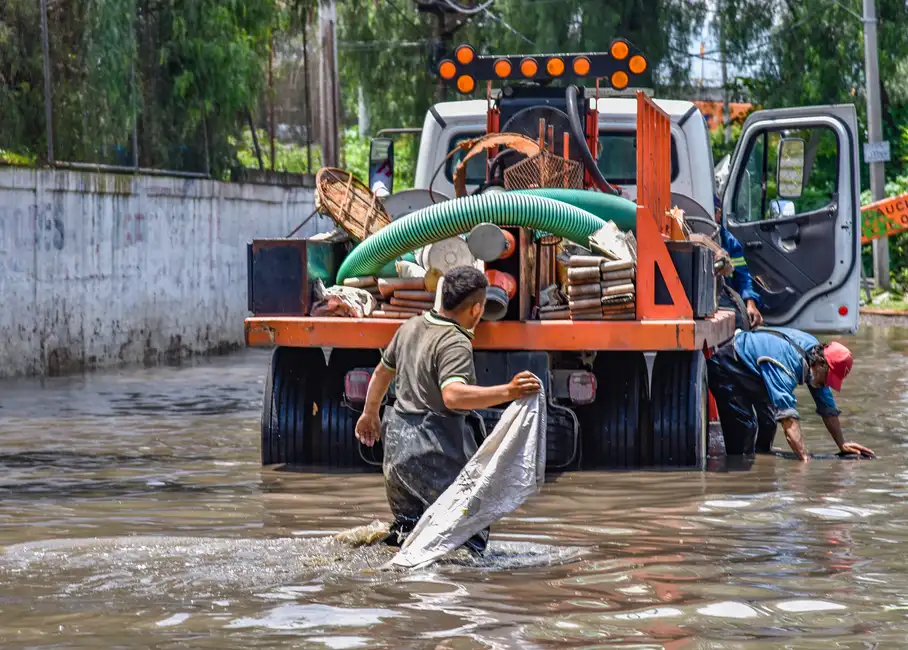
Branford Center homes include older properties with basements, finished lower levels, and plumbing that may be difficult to inspect once walls and floors are closed. A small leak can reach stored belongings, flooring, and wall cavities before it becomes obvious. Our Connecticut water extraction company serving Branford Center handles burst pipes, appliance leaks, sump pump failures, and storm-related water entry. We begin by helping you stop the source when safe, then remove standing water and map affected materials. We protect dry rooms and explain which items can be cleaned, which need more inspection, and where drying equipment will go. If a child, older adult, or pet is at home, tell us about household access needs so we can keep the work area controlled and pathways clear.
- Basement water and sump cleanup — When water reaches a Branford Center basement, we pump out pooled water and extract what remains around the floor edges and stored items. We check lower walls and contents for moisture, then set drying equipment based on room size and readings. This helps you protect belongings and plan the next repair step.
- Burst pipe room extraction — A burst pipe can wet more than the room where it breaks. We extract visible water in your Branford Center home, inspect adjoining spaces, and use moisture readings to find hidden spread. After the leak is stopped, focused airflow and dehumidification help dry affected materials under monitored conditions.
- Crawl space water removal — Water in a crawl space can affect framing and insulation while remaining out of sight. We assess safe access, pump pooled water, and check surfaces for retained moisture. In Branford Center, we explain what was reached, what needs drying, and whether a separate repair is needed to address the source.
- Contaminated water cleanup — For a sewage backup or contaminated floodwater in Branford Center, we isolate the affected area and use appropriate protective equipment. We remove unsafe water, clean surfaces with suitable products, and identify porous materials that cannot be safely restored. You receive a clear explanation of the work area and next steps.