
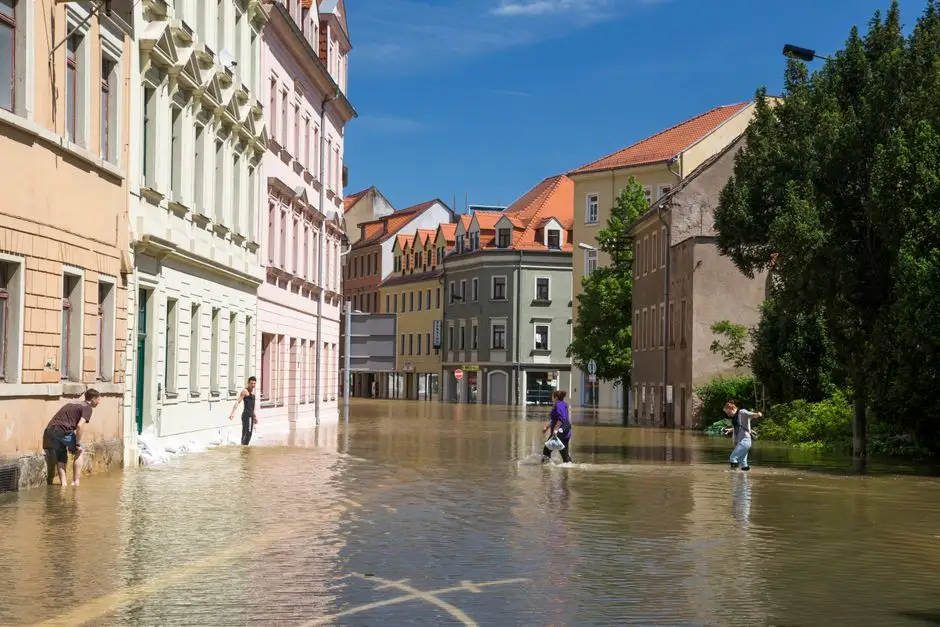
Residential Water Extraction for Rockville Homes
Rockville homes range from older properties with basement utility areas to residences with finished lower levels and modern flooring. A small plumbing leak can travel through a ceiling or under a floor before you notice it, while a sump pump failure can affect stored belongings in minutes. Our water removal company Rockville, Connecticut homeowners call checks the source, removes standing water, and looks beyond the first visible wet area. We keep you informed about equipment placement, affected rooms, and the next moisture check. If your family needs to use part of the home during drying, tell us; we plan clear routes around work zones and keep exits accessible.
- Basement water and floor extraction — We remove standing water from Rockville basements after a leak, sump failure, or rain intrusion. The crew checks floor edges, storage areas, and lower wall sections, then selects pumping or extraction equipment for the depth. We help you separate wet belongings from the work area without asking you to enter unsafe water.
- Burst pipe cleanup and drying — A burst pipe can affect more than the room where it broke. In Rockville, we inspect the plumbing area, the floor below, and adjacent walls before placing drying equipment. You get a clear account of what is wet and what needs a follow-up reading after the plumber controls the source.
- Frozen pipe water removal — When a pipe freezes and splits during Rockville winter weather, we remove released water and check nearby materials for hidden moisture. We coordinate around the plumbing repair and keep the work path safe. This is especially useful when water has crossed a basement ceiling or reached a finished lower-level room.
- Crawl space water cleanup — We assess pooled water and damp materials in Rockville crawl spaces, taking account of limited clearance and access. The crew removes water where feasible, checks accessible framing and insulation, and explains whether further drying or repair is needed. You receive practical guidance on the affected area rather than a guess based on odor alone.