



Residential Water Extraction for Torrington Homes
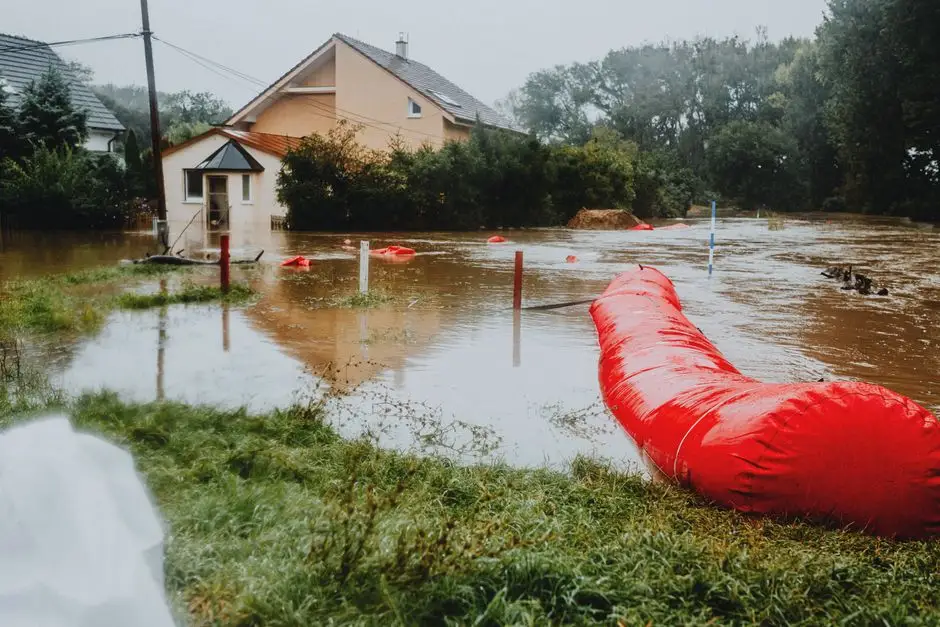
Torrington homes range from older houses with stone or masonry basements to properties with finished lower levels, utility rooms, and crawl spaces. Water can come from a frozen pipe, a failed sump pump, a leaking appliance, or rain directed toward a foundation. Our water removal company Torrington, Connecticut homeowners call removes water and checks how far it travelled before setting drying equipment. We keep your access path usable where possible and separate wet belongings from dry items. If children or pets are in the home, we mark off the work area and explain which rooms should stay clear until extraction and drying checks are complete. You will hear what we found and what needs attention next.
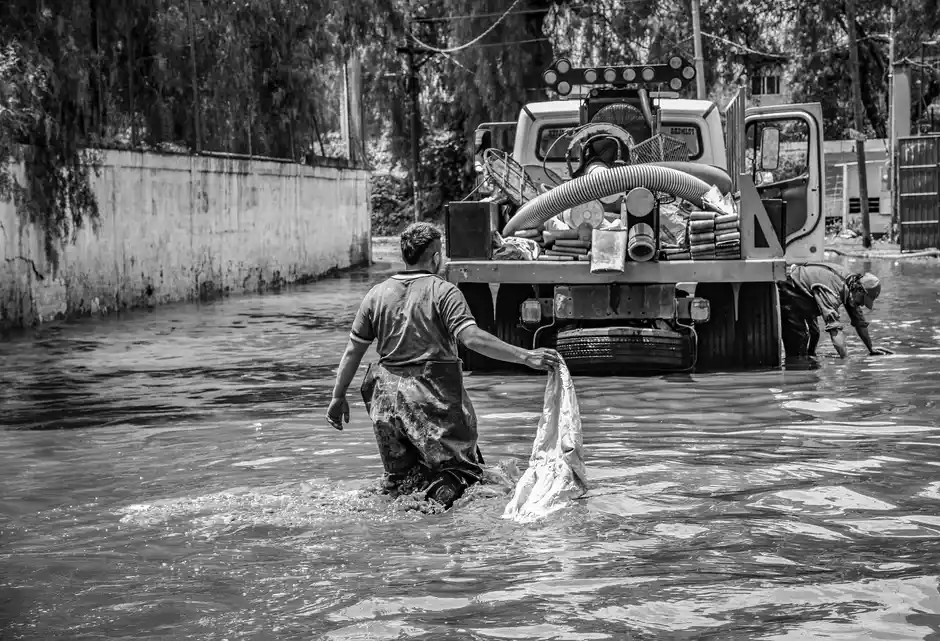
- Basement water pumping and drying — For a Torrington basement with pooled water, we use a pump for depth and an extractor for remaining water around floors and edges. We check masonry joints, stored items, and adjoining rooms, then set drying equipment based on readings. This helps you see whether the whole lower level is affected or only the visible collection point.
- Frozen pipe water cleanup — When a pipe breaks during a cold Torrington night, we help remove water after the supply is controlled. We inspect the room where the pipe opened and check floors or ceilings along the water path. Drying equipment is placed to reach wet materials without blocking access for the plumber.
- Crawl space water removal — A wet crawl space can be hard to inspect and may hold pooled water below the living area. We assess safe access, remove water with suitable equipment, and check accessible framing and insulation. We explain what is visibly affected and where moisture checks are needed before the space is closed up.
- Sump failure emergency response — Heavy rain can put extra demand on a Torrington sump system. If the pump fails, we remove standing water, assess the affected basement materials, and monitor drying. Tell us whether power was lost or the discharge line backed up, since that information helps identify the immediate conditions in the lower level.